Living on Windermere’s Butler Chain of Lakes
December 4, 2025
December 4, 2025
Imagine easing into the day with calm water views, then taking your boat out for a sunset cruise without ever loading a trailer. If you’re drawn to that rhythm, Windermere’s Butler Chain of Lakes might be a perfect fit. You want the facts on boats, access, home types, and what it really takes to own on the water. This guide breaks down the everyday lifestyle and the practical details so you can move forward with confidence. Let’s dive in.
The Butler Chain of Lakes is a cluster of roughly a dozen connected lakes just west of downtown Orlando, centered around the town of Windermere. The lakes link through natural channels and manmade canals, and connectivity can vary with water levels and seasonal conditions. Many buyers choose this area for the lake lifestyle, privacy, and community amenities.
The chain sits within the greater Orlando metro, but it’s often considered a luxury and lifestyle niche. You’re close to the Dr. Phillips dining corridor, major employment centers, and popular attractions. Many residents commute regionally, then return home to a quieter lake setting.
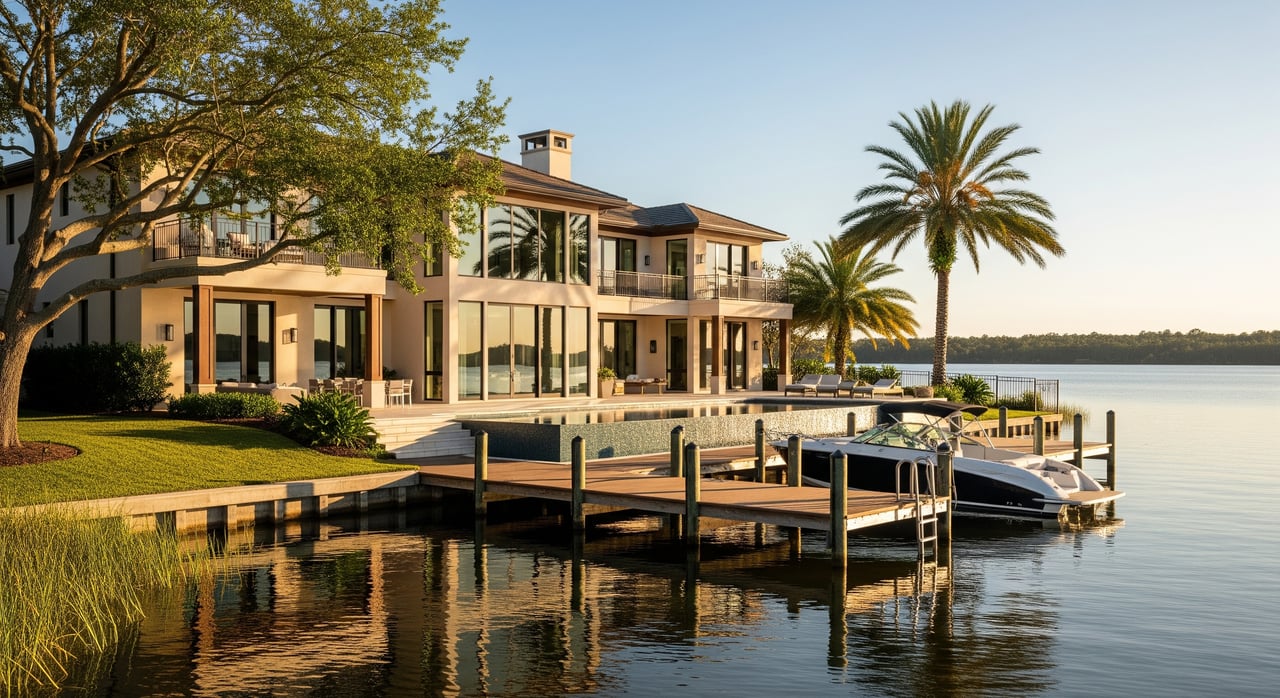
Many lakefront homes include private docks and boat lifts. Public boat ramps are limited in the immediate Windermere area, so private access is a major advantage if you plan to boat often. You can often travel between lakes by canal, but clearance and depth can change with water levels and underpasses.
Common boat types include runabouts, center consoles, wakeboard and tow boats, and fishing boats. Larger yachts are uncommon due to lake sizes and canal clearances. Boating speed limits, no‑wake zones, and safety rules are enforced by the Florida Fish and Wildlife Conservation Commission, with local law enforcement support. Some neighborhoods add rules about tow sports hours or personal watercraft, so review those before you buy.
You’ll see a full mix of activities: powerboating, wakeboarding, water‑skiing, paddleboarding, kayaking, and relaxed dockside entertaining. Freshwater fishing is popular for bass, bluegill, and crappie, with catch quality varying by season and lake health. Many communities host lake‑themed traditions like dock parties and fishing events, and nearby country clubs and golf courses add to the lifestyle.
Public access on the Butler Chain is limited compared with coastal areas. County‑managed ramps and launch points exist but are minimal in this immediate area. If frequent launches matter to you, confirm whether a property includes a private dock or a neighborhood dock, and ask about HOA storage or launch options.
Waterfront parcels vary widely. You’ll find smaller infill lots, classic mid‑century cottages on modest parcels, and estate‑sized properties of an acre or more. In some neighborhoods, lots have narrower frontage with deeper depth; in others, frontage is generous. Many shorelines feature seawalls or bulkheads, private docks, mature oaks, and palms.
Homes often orient living spaces to the water, with outdoor areas designed around the dock and sun exposure. Orientation and dock placement can shape how you entertain and use the backyard.
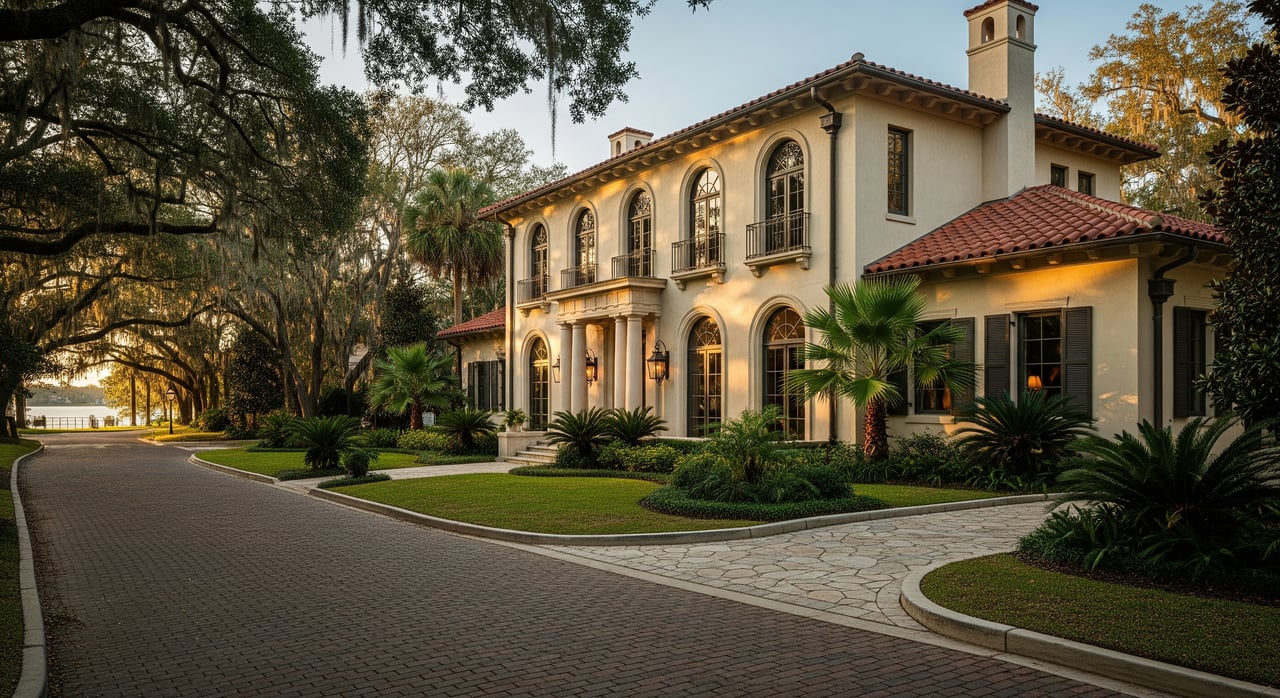
Architecture ranges from renovated bungalows to Mediterranean and clean‑lined contemporary estates. You’ll also find custom homes in gated communities, with Isleworth being a well‑known example for high‑end inventory. Popular features include covered outdoor living, summer kitchens, integrated docks and lifts, first‑floor suites, impact windows and doors, and curated landscaping.
Waterfront lots on the Butler Chain carry a premium due to limited supply and strong lifestyle demand. Prices move with broader Orlando market cycles, and well‑located, move‑in‑ready lake homes tend to draw strong interest. If you’re comparing lakefront to nearby non‑water homes, expect a significant difference in pricing and competition.
Expect permits for most shoreline projects, including docks, lifts, boathouses, seawalls, and substantial repairs. Depending on scope and location, you may interact with the Town of Windermere, Orange County, the St. Johns River Water Management District, and in some cases the Florida Department of Environmental Protection. Start early, keep records, and build realistic timelines into your plan.
In deed‑restricted or gated neighborhoods, homeowners’ associations often require architectural review for docks, boathouses, and visible shoreline work. Review covenants and recorded documents for any easements or riparian rights details. Private shoreline ownership does not always guarantee motorized access across neighboring properties or through gated canals, so confirm legal access for your planned boat use.
The Butler Chain is actively monitored for speed limits, no‑wake areas, and safety compliance. Neighborhood rules can add restrictions on tow sports or personal watercraft hours. If a certain activity is important to you, verify it with the HOA and local authorities before closing.
Seawalls and bulkheads are common and help protect against erosion. Their age and condition are key. Repairs or replacements are capital‑intensive and usually require permits. Docks require routine maintenance, especially if constructed with wood. Composite materials can reduce upkeep but may cost more upfront. Lifts need annual service and periodic part replacements. Build a maintenance calendar for inspections, cleaning, staining or sealing, and hardware checks.
Central Florida lakes can experience algal blooms and invasive species like hydrilla. Frequency and severity vary with weather, nutrient levels, and lake management. Nutrient runoff from landscaping and failing septic systems can worsen water quality, while many urban neighborhoods are served by municipal sewer. Confirm whether a property uses sewer or septic and ask about any active lake management programs or HOA assessments.
Waterfront properties often lie in FEMA‑mapped flood zones. Lenders commonly require flood insurance, which can be a notable recurring cost. Wind and hurricane risk also influence premiums, and wind mitigation features like impact windows and roof straps can affect eligibility and pricing. Have a storm plan for boats and docks, including tie‑down procedures and lift guidance in hurricane season.
Use this checklist as you tour properties and review disclosures:
Access and navigation
Shoreline and structures
Permits and easements
Environmental and utilities
Insurance and recurring costs
Lifestyle and neighborhood fit
Due diligence
If your ideal day includes time on the water, a quick paddle at sunrise, or hosting friends on a lakeside patio, this chain delivers. You’ll want to balance the lifestyle with the practical parts: permitting, shoreline upkeep, water quality awareness, and insurance. With the right prep and a clear plan, lakefront living here can be both rewarding and manageable.
If you’re ready to explore Windermere’s lakefront options, connect with a local advisor who understands the Butler Chain, neighborhood rules, and shoreline due diligence. For tailored guidance and access to on‑ and off‑market opportunities, reach out to Francesca Nicolas. She can help you compare communities, evaluate docks and shorelines, and navigate the details from offer to close.
Stay up to date on the latest real estate trends.
In real estate, persistence is critical, and I don't stop until the deal is done. Whether it's finding the perfect property or working through unexpected challenges, I’m determined to achieve the best outcome for you. My dedication to getting things done ensures that you always have an advocate who won’t quit until your goals are reached.